
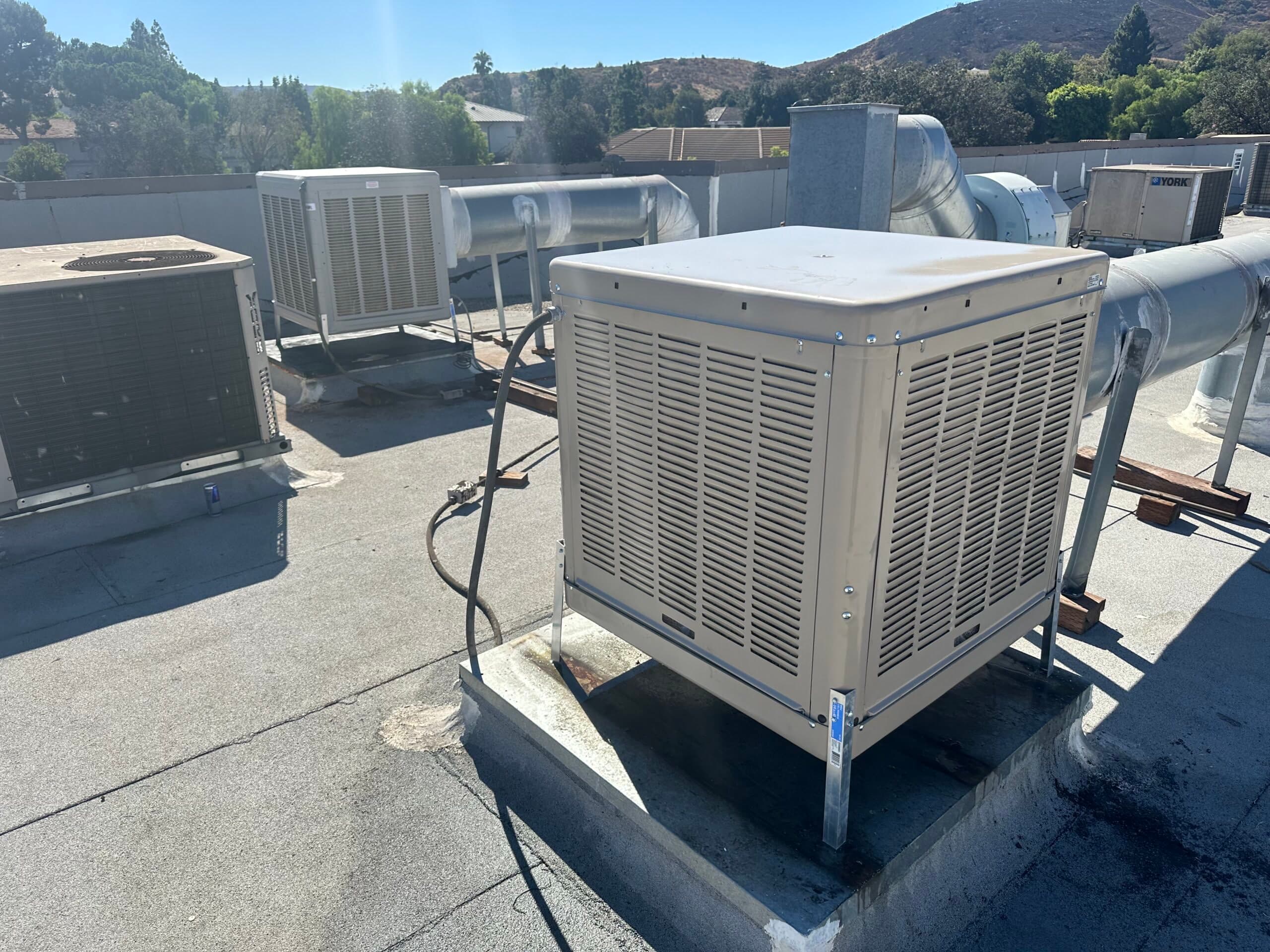
Equipment age is only one factor
Older equipment may still be repairable, while a newer system with a major failure may require a broader discussion. The condition of the compressor or heat exchanger, repair history, parts availability, refrigerant type, installation quality, and overall system performance all matter.
Look at the pattern, not one invoice
Consider how often the system has failed, whether comfort problems return, changes in utility use, noise, humidity control, and whether parts are becoming difficult to source. A written repair estimate provides a concrete comparison against replacement options.
Replacement should address the whole system
New equipment should be selected for the property rather than simply matching the old model number. Capacity, duct condition, airflow, electrical service, controls, installation details, and the building's current use can affect comfort and reliability.
Questions worth asking
Ask what failed, whether the failure affected other components, what is included in the estimate, which warranties apply, how efficiency is expected to change, and whether duct or electrical work is required. Clear answers make competing proposals easier to compare.
- What caused the current failure?
- Are parts readily available?
- What does each warranty cover?
- Is the current system sized correctly?
- Are duct or airflow corrections needed?
Get help with the equipment
Frequently asked questions
Is an older HVAC system automatically due for replacement?
No. Age is important, but condition, failure type, repair history, efficiency, comfort, parts availability, and installation quality should be evaluated together.
Should replacement quotes include ductwork?
The existing ducts and airflow should be evaluated. Necessary duct corrections may be separate from the equipment price, so ask each contractor to define what is and is not included.