Production changes have several possible causes
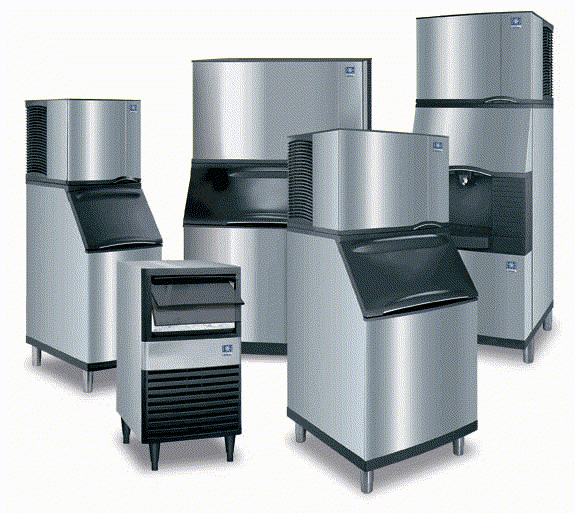
Low ice production can be connected to restricted airflow, scale, water-supply problems, dirty components, warm operating conditions, sensor or control faults, or refrigeration trouble. Note whether the machine makes smaller cubes, incomplete batches, or no ice at all.
Safe checks for an operator
Confirm the water supply is on, the bin is not falsely signaling full, and boxes or stored items are not blocking ventilation. Review the machine display for an error code and photograph it. Do not defeat switches, reach into moving components, or open electrical and refrigeration sections.
Cleaning and sanitation are different from repair
Mineral scale and biological buildup can reduce performance and affect ice quality. Cleaning must follow the manufacturer's procedure and food-safety practices. Visible contamination, unusual odor, or questionable ice quality is a reason to stop using the ice until the machine is properly cleaned and evaluated.
Details to provide when requesting service
Share the manufacturer, model, error code, approximate ice output, cube condition, water-filter history, last professional cleaning date, and changes in room temperature or ventilation. These details help distinguish a maintenance concern from a component failure.
Get help with the equipment
Frequently asked questions
Can hot kitchen conditions reduce ice production?
Yes. High room or incoming-water temperatures can reduce production, especially when ventilation is restricted. The installation and equipment still need to be checked against manufacturer requirements.
When should an ice machine be taken out of service?
Stop using it when ice may be contaminated, there is a burning smell or electrical concern, water is leaking near electrical components, or the manufacturer indicates a shutdown fault.