Start with the exact location and access
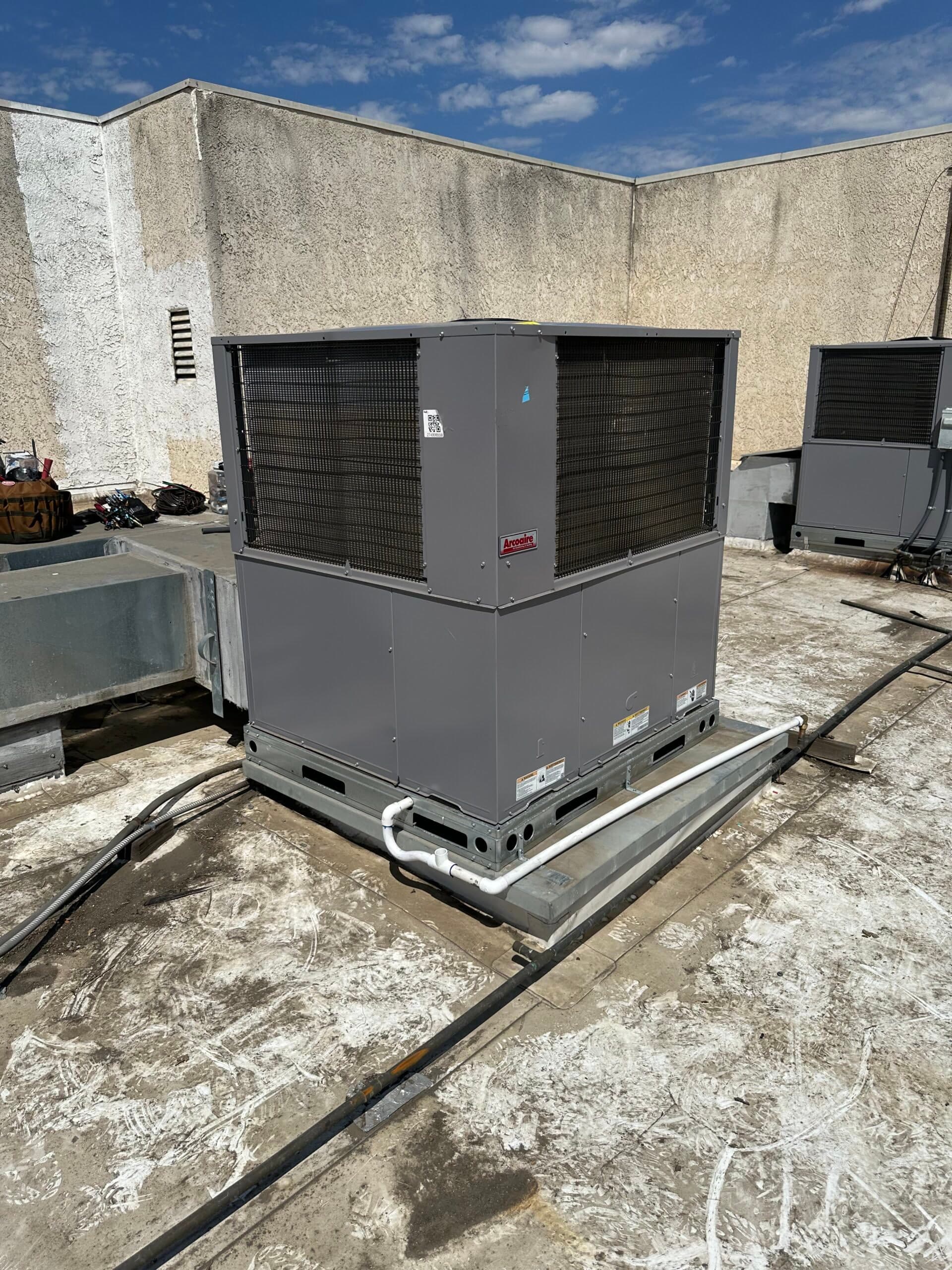
Provide the complete service address, business or property name, on-site contact, gate or parking instructions, equipment location, and any access restrictions. If the unit is on a roof or in a secured room, mention that before dispatch.
Identify the equipment
Share the equipment type, manufacturer, model and serial number when accessible without opening panels, thermostat or controller reading, and any error code. A clear photo of the data label or display can prevent transcription mistakes.
Describe what changed
Explain when the issue began, whether it is constant or intermittent, current and previous temperatures, unusual sounds or odors, visible ice or water, recent maintenance, and any work performed nearby. Avoid guessing at the failed part; the observed sequence is more useful.
Explain the operational impact
Say whether people are without heating or cooling, food product is at risk, only one of several units is affected, or business operations have stopped. This context helps the answering team record the urgency accurately.
Keep the area safe
Do not repeatedly reset breakers, bypass controls, open refrigerant lines, or work around exposed wiring. Report smoke, burning odors, sparking, severe vibration, or water near electrical components and keep people away from the affected area.
Get help with the equipment
Frequently asked questions
Do I need the model and serial number before calling?
Call even if you cannot locate them safely. If the data label is accessible without removing panels, a photo can help the service team prepare.
What makes a refrigeration call urgent?
Continuing temperature rise, food or product risk, a complete operational shutdown, electrical warning signs, or a failure affecting critical equipment should be stated clearly when you call.